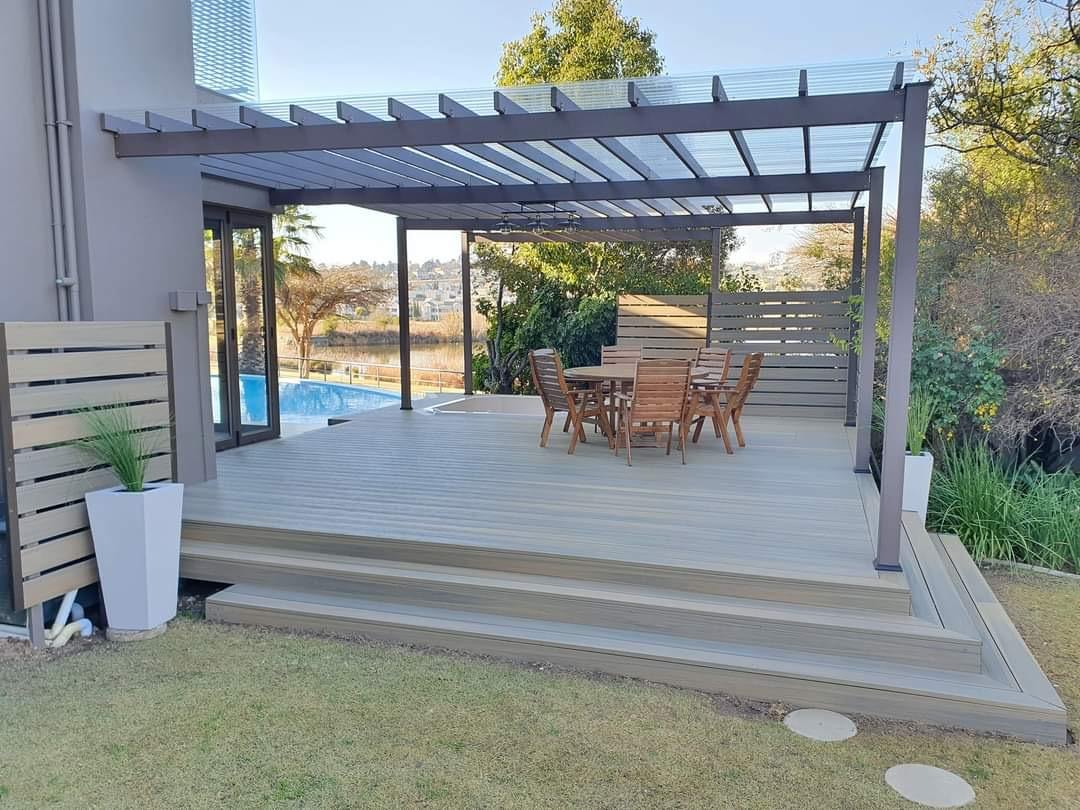

What if the stunning timber you choose for your new outdoor space today is the very reason you're scrubbing stubborn tannin stains off your concrete next summer? It's a common frustration for many local homeowners who realise too late that not every wood is suited to our unique coastal environment. Selecting the best timber for Auckland deck builds involves more than just picking a beautiful grain; it requires a deep understanding of how different species react to our high humidity and intense UV levels.
You likely want a space that looks sophisticated and lasts for decades without becoming a full-time maintenance burden. We understand the confusion surrounding sustainability and those shifting Auckland Council consent requirements. This guide simplifies your decision by highlighting the ideal timber species that balance aesthetic appeal with the rugged resilience needed for New Zealand conditions. We'll explore the pros and cons of favourites like treated pine and Vitex, ensuring you have the confidence to build a deck that adds genuine value to your home for twenty years or more.
Key Takeaways
- Understand how Auckland’s unique mix of high humidity and salt spray dictates your material choice to prevent premature warping and rot.
- Compare popular hardwoods and treated softwoods to identify the best timber for Auckland deck projects that require both high-end style and low maintenance.
- Learn to decode durability classes and sustainability certifications to ensure your outdoor investment is both ethical and built to last 20+ years.
- Tailor your timber selection to your specific local microclimate, whether you're managing coastal winds on the North Shore or damp conditions in the Waitakere Ranges.
- Navigate Auckland Council building consents with confidence by understanding the 1.5-metre height rule and the value of professional installation.
Understanding Auckland’s Climate and Your Timber Choice
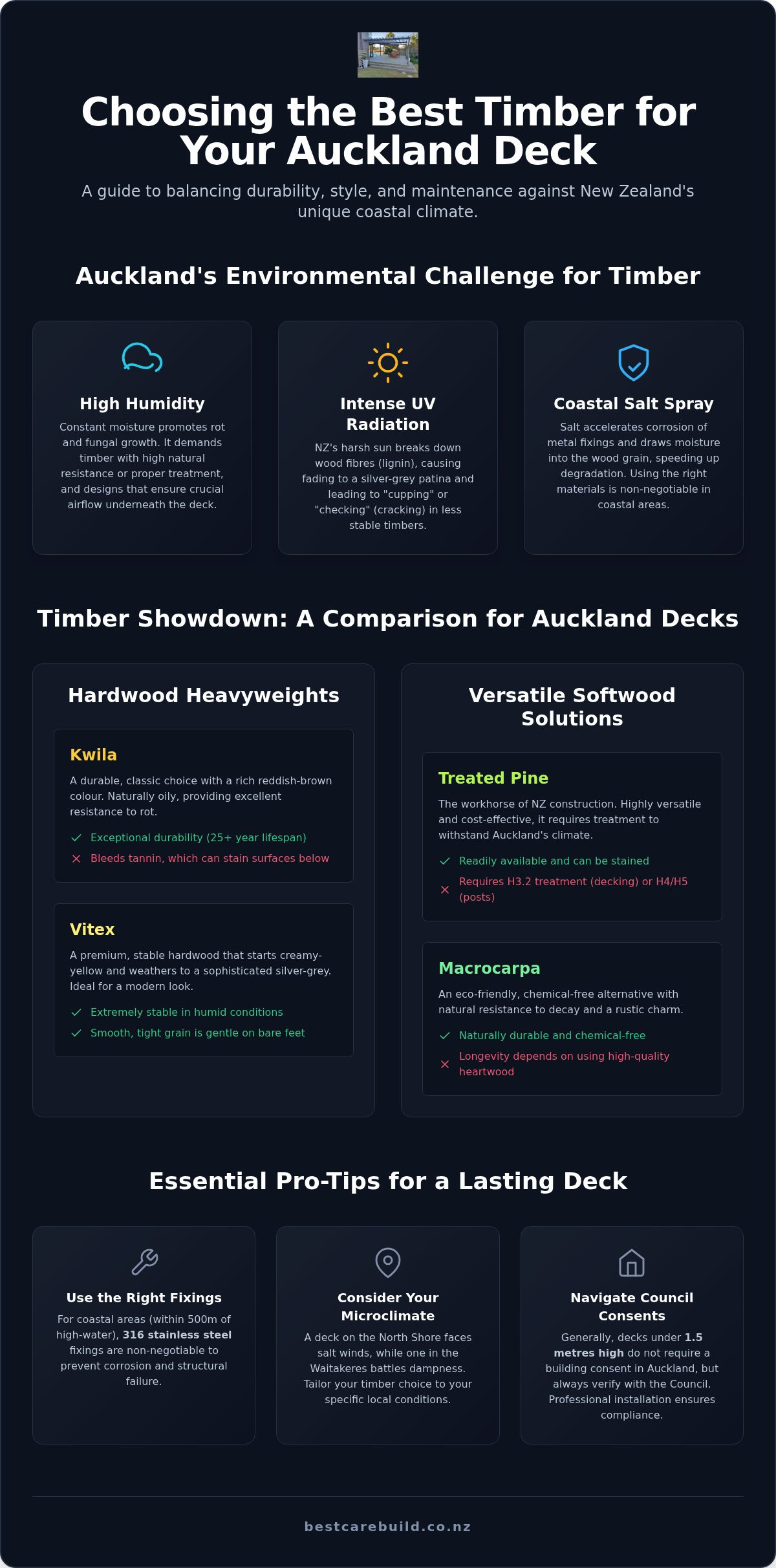
Auckland presents a challenging environment for outdoor structures. The "environmental triangle" of high humidity, intense UV radiation, and salt spray creates a unique stress test for any building material. While a deck in a dryer climate might last decades with minimal care, our local conditions demand a more strategic approach to material selection. Choosing the best timber for Auckland deck projects requires looking beyond the price tag and focusing on how a specific wood handles our volatile weather patterns.
Microclimates across the region also play a significant role in how your timber performs. If you live in Mt Albert, your main concern might be trapped moisture and dampness from lush, sheltered gardens. However, a property in Takapuna faces constant salt-laden winds that accelerate corrosion and timber breakdown. These differences mean that the ideal solution for a suburban "bush retreat" might differ from a "coastal haven" only a few kilometres away.
When reviewing a comprehensive list of wood species, you'll find that stability is the metric that matters most to New Zealand builders. Timber stability is the degree to which a wood species resists changes in dimension, such as swelling or shrinking, when subjected to fluctuations in environmental moisture. In a city where it can be pouring rain in the morning and 25 degrees by lunch, this resistance to movement is what prevents your deck from becoming a tripping hazard.
The Impact of Coastal Humidity and Salt
Salt spray isn't just a nuisance for your windows; it's a catalyst for timber degradation. In coastal areas, salt crystals can draw moisture into the grain, causing internal stress and accelerating the weathering process. This is why 316 stainless steel fixings are non-negotiable for any deck within 500 metres of the high-water mark. Without them, your structural integrity is at risk from "tea staining" and fastener failure. Proper airflow is equally vital. We ensure our designs allow for ventilation underneath the boards, which prevents the humid Auckland air from rotting the joists from the bottom up.
UV Exposure and Colour Fading
Our sun is notoriously harsh. High UV levels break down lignin, the natural glue that holds wood fibres together. This process causes the timber to lose its rich hue and turn a silver-grey patina over time. While some homeowners appreciate this weathered look, others prefer to maintain the original warmth through regular oiling. If you choose a material that isn't the best timber for Auckland deck conditions, you'll likely see "cupping" or "checking." Cupping occurs when the top of the board dries significantly faster than the bottom, causing the edges to curl upwards. Selecting a stable hardwood or high-quality treated softwood helps mitigate these visual and structural flaws.
Comparing the Top Timber Species for NZ Decks
Selecting the best timber for Auckland deck builds involves a careful trade-off between upfront investment, maintenance levels, and the desired look. While we've discussed how our climate affects wood, the specific species you choose will dictate how your deck ages and how often you'll need to reach for the cleaning brush. Aucklanders typically choose between high-density hardwoods and versatile softwoods like Radiata Pine.
Hardwood Heavyweights: Kwila and Vitex
Kwila remains a classic choice due to its rich reddish-brown hue and exceptional durability. It's naturally oily, which helps it resist rot, but it comes with a known quirk; it bleeds tannin. If your deck is positioned over light-coloured concrete or tiles, those initial rainfalls will wash dark tea-coloured stains onto the surface. For this reason, many of our clients are moving toward Vitex. This Solomon Islands hardwood starts with a creamy-yellow tone and weathers into a sophisticated silver-grey. It's incredibly stable in our humid climate and features a smooth, tight grain that's gentle on bare feet. You can expect a well-maintained hardwood deck to last 25 years or more in local conditions.
Softwood Solutions: Treated Pine and Macrocarpa
Radiata Pine is the undisputed workhorse of New Zealand construction. It's readily available and highly versatile. To survive the Auckland damp, all pine decking must be H3.2 treated at a minimum, while structural posts require H4 or H5 treatment to prevent ground-contact rot. While some view pine as a basic option, we can achieve a premium look by using wider boards or applying high-quality stains that mimic hardwood tones. For those seeking an eco-friendly, chemical-free alternative, Macrocarpa offers a rustic charm. It's naturally resistant to decay, though it requires careful selection to ensure you're getting heartwood, which provides the best longevity.
Modern alternatives like Garapa and Cumaru are also gaining traction for their honey-toned finishes and high density. These timbers offer a contemporary aesthetic that bridges the gap between traditional Kwila and the lighter Vitex. If you're feeling overwhelmed by the choices, our team can help you select the ideal materials for your specific site and lifestyle.
Sustainability and Performance Ratings Explained
When you're searching for the best timber for Auckland deck projects, the technical ratings on the back of a sample board are just as important as the grain on the front. These ratings aren't just industry jargon; they're a roadmap for how long your investment will last in our damp, salt-heavy air. Understanding the difference between a durability class and a treatment level ensures you don't accidentally specify a material that's destined to fail within a decade.
The Building Research Association of New Zealand (BRANZ) provides independent appraisals that evaluate the long-term weatherability and structural performance of decking materials under local environmental stresses. In the New Zealand context, durability is measured from Class 1 through to Class 4. A Class 1 timber, such as certain high-density hardwoods, is expected to last 25 years or more in exposed conditions. Conversely, Class 4 timbers have low natural resistance and rely heavily on chemical treatments or thermal modification to survive our winters.
Sustainability is the other half of the performance equation. For many Auckland homeowners, knowing where their wood comes from is a top priority. Look for FSC (Forest Stewardship Council) or PEFC (Programme for the Endorsement of Forest Certification) labels to guarantee that your timber isn't contributing to deforestation. While imported hardwoods like Vitex or Kwila offer incredible longevity, they carry a higher carbon footprint due to shipping. Locally grown Radiata Pine is a significantly lower-carbon option, provided it's treated correctly to handle the Auckland humidity.
Understanding Durability and Service Life
It's vital to distinguish between "Above Ground" and "In-Ground" durability. While your decking boards only need to handle rain and sun, the posts supporting them must resist constant moisture and soil-borne fungi. In parts of Auckland with heavy volcanic soil, drainage can be particularly sluggish. This creates a "wet feet" scenario that can rot even durable timbers if they aren't rated for ground contact. At Bestcare Builders, we ensure every structural component exceeds the minimum requirements, using meticulous installation techniques to prevent water from pooling in joints or around pile bases.
Eco-Friendly Timber Choices
If you're looking for a sustainable alternative to traditional hardwoods, thermally modified timbers like Vulcan are an excellent choice. These products use heat and steam rather than chemicals to alter the wood's cellular structure, making it incredibly stable and resistant to rot. Choosing a highly durable material is an eco-friendly decision in itself; a deck that lasts 30 years instead of 15 effectively halves the environmental impact of your build. Verifying your timber's origin through reputable local suppliers ensures your new outdoor space is as ethical as it is beautiful.
Choosing Timber Based on Your Auckland Lifestyle
The best timber for Auckland deck builds isn't just a technical decision; it's a lifestyle one. How you intend to use your outdoor space, whether for rowdy family BBQs in Mt Albert or quiet morning coffees overlooking the Waitakeres, dictates which material will serve you best. We often find that homeowners focus on the initial look of a timber sample without considering how that wood behaves under the pressure of daily life and specific local microclimates.
For those in a "Coastal Haven" like the North Shore or Hibiscus Coast, salt spray and high winds are constant companions. In these areas, Vitex or Garapa are excellent choices because they resist the corrosive effects of salt air better than many softwoods. If you're situated in a "Bush Retreat" such as Titirangi, moisture and mould are your primary concerns. These shaded environments require timbers with high natural oil content and exceptional stability to prevent the boards from staying damp and becoming slippery. Conversely, the "Suburban Entertainer" in central Auckland might prioritise a timber that handles heavy foot traffic and the occasional wine spill without requiring a full sand and polish every second summer.
Your furniture and BBQ placement also play a role. Heavy cast-iron outdoor settings or large four-burner BBQs require a stable, high-density hardwood to prevent localised indentation or board flexing. If you're planning a large cooking station, remember that Kwila's natural tannin bleeding can react with grease or metal, potentially leaving marks that are difficult to remove. Planning these zones early ensures your timber choice supports your long-term vision for the space.
Maintenance Realities: Time vs. Beauty
Every timber requires some level of care, but the "wash and oil" routine varies significantly between species. If you're happy with a natural, silver-grey patina, hardwoods like Vitex can be left to weather without losing their structural integrity. However, if you want to keep that "just installed" warmth, you'll need to commit to an annual oiling schedule. For busy families, smoother hardwoods are often the preferred choice for barefoot zones. They tend to have tighter grains that are less likely to splinter over time compared to lower-grade softwoods, providing a safer surface for children and pets.
Design Aesthetics and Home Value
A well-designed deck should feel like a seamless extension of your home. We recommend matching timber tones to your existing joinery or internal flooring to create a cohesive indoor-outdoor flow. The width of your boards also changes the architectural "feel" of the deck; 140mm wide boards offer a modern, clean aesthetic, while traditional 90mm boards suit heritage villas. Integrating your timber choice with concrete paths or timber pergolas can further elevate the look. If you're ready to transform your backyard into a functional masterpiece, you can book a consultation with our specialist team to discuss your custom project.
Professional Installation and Auckland Council Consents
Selecting the best timber for Auckland deck builds is only half the battle. Even the most durable hardwood will struggle to reach its potential if the installation fails to respect the local building regulations. Ensuring your project complies with the New Zealand Building Code is what protects your long-term investment and your family's safety. Understanding the legalities of deck construction helps you avoid costly retrospective consent issues or structural failures down the track.
In Auckland, a building consent is generally not required for a deck where it's impossible to fall more than 1.5 metres to the ground below. This rule, found in Schedule 1 of the Building Act 2004, provides significant flexibility for many suburban backyards. However, you must still comply with the Auckland Unitary Plan regarding site coverage and setbacks from boundaries. Additionally, if the fall height from the deck surface is 1 metre or more, a compliant safety barrier or balustrade is a mandatory requirement to ensure user safety. Hiring a Licensed Building Practitioner (LBP) provides the peace of mind that these structural nuances are handled correctly from day one.
Navigating the Building Code (E2/AS1)
Proper ground clearance is a critical part of the E2/AS1 acceptable solution for external moisture. We ensure that your timber has adequate separation from the ground to prevent dampness from wicking into the grain, which is a leading cause of rot in humid Auckland conditions. Correct joist spacing and the selection of high-quality fasteners are also vital. For coastal properties, we exclusively use 316 stainless steel to prevent the rapid corrosion caused by salt-laden air. These technical details are what separate a "safe pair of hands" from a standard DIY effort.
The Bestcare Builders Difference
Our Mt Albert based team functions as your partner throughout the entire construction journey. We don't just nail boards together; we meticulously plan the sub-floor ventilation and drainage to extend the life of your chosen timber. Whether we're integrating your new deck with existing retaining walls or bespoke pergolas, our focus remains on precision and durability. We handle the complexities of the build so you can focus on the result. Our disciplined approach mirrors a professional consultation, moving logically from your vision to a finished project that adds genuine value to your home.
The final step in any professional installation is the "first oil." Applying a high-quality sealant or oil immediately after construction provides the essential protection your timber needs during its first season of exposure. This initial treatment locks in the natural oils and helps the wood stabilise as it adjusts to its new environment. Ready to start your Auckland deck project? Contact Bestcare Builders for a consultation.
Build Your Vision: Long-Lasting Outdoor Living
Selecting the best timber for Auckland deck builds requires a thoughtful balance between the aesthetics you desire and the resilience our coastal climate demands. By matching wood stability to your specific local microclimate and understanding the maintenance realities of each species, you can ensure your outdoor space remains a source of pride. Whether you're prioritising the natural warmth of a hardwood or the versatile value of treated pine, the success of your project rests on a foundation of quality materials and expert craftsmanship.
As an Auckland-owned and operated specialist team, Bestcare Builders provides LBP-qualified construction and customised solutions for our city's unique terrain. We manage the technicalities of building consents and structural integrity so you can simply enjoy the result. A well-built deck is an investment that transforms your lifestyle and adds significant value to your property for decades to come. Get a Professional Decking Quote from Bestcare Builders and take the first step toward your ideal outdoor sanctuary.
Frequently Asked Questions
What is the most durable timber for an Auckland deck?
Vitex and Kwila are widely considered the most durable options for our local climate. These hardwoods are rated for 25 years or more in exposed conditions. While Kwila is a traditional favourite, Vitex is increasingly popular as the best timber for Auckland deck projects due to its superior stability in high humidity. It resists the warping and cupping that can affect less dense species during our volatile summer months.
Does Kwila timber still bleed red stain?
Yes, Kwila naturally contains high levels of water-soluble tannins that will leach out during the first few rainfalls. This "bleeding" creates dark, reddish-brown stains on surrounding concrete, tiles, or pool surrounds that can be difficult to remove. If your deck is positioned over light-coloured surfaces, we recommend choosing Vitex or Garapa, as these hardwoods provide similar durability without the risk of staining your hardscaping.
Do I need a building consent for a deck in Auckland?
Under the Building Act 2004, you generally don't need a building consent if it's impossible to fall more than 1.5 metres from the deck surface. However, you must still comply with the Auckland Unitary Plan rules regarding site coverage and boundary setbacks. It's also important to note that any deck with a fall of 1 metre or more requires a compliant safety barrier or balustrade to meet New Zealand safety standards.
How long will a pine deck last in New Zealand?
A Radiata Pine deck that has been correctly H3.2 treated can be expected to last between 15 and 20 years in New Zealand. This lifespan depends heavily on regular maintenance, including annual washing and staining to protect the wood from UV degradation and moisture ingress. Without this care, the softer pine fibres can break down more quickly in Auckland’s intense sun and frequent rainfall compared to denser hardwood alternatives.
Is hardwood or composite decking better for Auckland homes?
Hardwood is prized for its natural grain and high-end aesthetic, while composite decking is favoured for its low-maintenance properties. In Auckland, composite materials are a great choice for those who want to avoid annual oiling and staining. However, many homeowners still prefer the authentic feel and long-term value of a high-quality timber species like Vitex, which offers a bespoke look that composite products cannot fully replicate.
How often do I need to oil my timber deck in Auckland?
Most timber decks in Auckland require oiling once every 12 months to maintain their original colour and protect the fibres from UV damage. If you prefer the weathered silver-grey look, some hardwoods can be left to age naturally without structural failure, provided they are kept clean. For the best timber for Auckland deck longevity, we recommend a "wash and oil" routine every autumn to prepare the wood for the wetter winter months.
What is the best timber for a low-to-the-ground deck?
Low-level decks are prone to underside rot due to restricted airflow and rising ground moisture. For these installations, thermally modified timbers or high-durability hardwoods are the superior choice. It's essential to ensure the sub-floor has adequate ventilation and that any structural posts are H4 or H5 treated for ground contact. We often recommend Vitex for these projects because its natural stability helps it resist the dampness found in shaded Auckland backyards.
Can I use 304 stainless steel screws for a coastal deck?
You should avoid using 304 grade stainless steel if your property is within 500 metres of the coast. Auckland’s salt-laden air will quickly cause 304 fasteners to "tea stain" and eventually corrode, compromising the structural integrity of your deck. 316 grade stainless steel is the non-negotiable standard for coastal builds. It offers the necessary corrosion resistance to withstand the salt spray common on the North Shore and Hibiscus Coast.

